As such, PEA is thought to slow down the rate at which your brain and body age, extend health span and increase longevity. In mice, high doses of phenethylamine led to the same behavior as amphetamines, including increased energy 28, 8, 29. A nootropic substance called PEA may improve mental clarity, attention, and alertness. Before ingesting this supplement, it is crucial to know the ideal dosage, possible adverse effects, and possible drug interactions.
What Do Your Genes Tell You About Your Health?

The dorsal striatum is a forebrain structure of the basal ganglia circuit that receives dopaminergic projections from the substantia nigra or ventral tegmental area 25. As mentioned above, the activation of these dopaminergic pathways plays a crucial role in addictive drug-mediated motivation and reward behavior through DA-receptor-mediated neurotransmission 26,27. In particular, DAD1R-mediated signaling is important in addictive-like behaviors 28,29. In support of this, amphetamine-induced locomotor activity was significantly attenuated in DA D1-deficient mice 30, and the rewarding effect produced by cocaine or methamphetamine was blocked by a D1R antagonist in a conditioned place preference (CPP) study 30. Despite these promising findings, it is important to note that human clinical research on PEA remains limited, and its rapid metabolism in the body can reduce its effectiveness when taken orally. More rigorous, large-scale studies are needed to fully validate its benefits and understand its safety profile.
Lacking Evidence For:
The naturally-occurring (-)ephedrine (53), the most potent of the phenylpropanolamines as a central stimulant, is several times less potent than amphetamine or methamphetamine. Glaucoma is a leading cause of blindness, and this has been related to increased intraocular pressure (IOP). Reduction of IOP is an effective treatment for glaucoma but some patients are refractory to current therapies. Investigators at Alcon Research identified 5-HT2A receptors in ocular tissue and demonstrated that topical administration of R(-)DOI, a potent 5-HT2 receptor agonist identified by us, produced a significant decrease in IOP in cynomolgus monkeys. In a collaborative effort with Alcon, our research goal was to identify a novel 5-HT2 serotonin receptor agonist with reduced lipophilicity so that it would not readily penetrate the BBB to produce untoward (i.e., hallucinogenic) side effects.
Nothing has been reported about the stimulus effects of PEA (1)-caffeine combinations. But, PEA (1) has been used as a training drug in rats,70 and its training dose (30 mg/kg) was substantially (i.e., 30 to 60 times) higher than those typically employed for (+)amphetamine. 1-(3,4-Dimethoxyphenyl)-2-aminopropane (3,4-DMA; 46) (Figure 9) can be viewed as a “ring opened” analog of MDA (42), and PMA (44) and MMA (47) represent compound 46 minus one of the two methoxy groups. Although PMA and MMA substituted in (+)amphetamine-trained animals, 3.4-DMA curiously failed to do so. But, 3,4-DMA substituted in MDA-trained animals.49 The optical isomers of 3,4-DMA substituted both in MDMA- and PMMA-trained animals with relatively little difference in potency (Table 3).
Figure 5
PEA can be quickly degraded by monoamine oxidase B (MAO) so unless you combine PEA with an MAO inhibitor do not expect its effects to last for long. The majority of people experience peak energy within 15 minutes, and then lasting energy for 30 minutes. Phenylethylamine is a type of drug which releases dopamine in your brain.
Phenylethylamine And Chocolate
The supplement is available in salt, powder and tablet form for easy dosing and consumption. Since the chemical is short-lived, opting for a slow release is typically the best way to prolong the effects (x, x). A phenylethylamine HCL supplement stimulates chemicals in the brain that produce extra energy and focus. In large doses or too close to bedtime, PEA can often trigger insomnia (x). The importance of PEA in brain function and dopamine regulation cannot be overstated.
Insufficient Evidence To Rate Effectiveness For
- Certain naturopaths are starting to prescribe PEA in lieu of stimulants such as amphetamines and the methylphenidate for treating ADHD.
- Several notable recreational drugs, such as MDPV (Monkey Dust), MDMA (ecstasy), methamphetamine, and cathinone, are also members of the class.
- Another class of GPCR targeted by 2-phenethylamines are constituted by α-adrenergic receptors (or α-adrenoceptors).
- Elegans DA neurons (Grenhoff et al. 1988, Murata et al. 2009, Li et al. 2012, Weihe et al. 2006).
- Finally, Chapter III describes the role of PEA in food processing, starting with its occurrence in fermented food and meat as the result of microbial metabolism (3.1) and its occurrence in chocolate as the result of thermal processing (3.2).
As research progresses, we may find even more reasons to fall in love with this fascinating molecule. Training doses were 1.0, 1.0, and 0.5 mg/kg for S(+)AMPH, S(+)METH, and S(-)MCAT, respectively. It might be asked where (-)ephedrine fits in the Venn diagram shown as Figure 10. Perhaps an additional (A/E; Amphetamine/Ephedrine) domain needs to be added to encompass a noradrenergic (or NET) effect. Structures of S(+)amphetamine S(+)AMPH, S(+)methamphetamine S(+)METH, and their phenylpropanolamine counterparts. 5-HT2 receptor agonists 26, 27, 29–31, 40, 41, and the 5-HT2 receptor antagonist M (28).
Best Herb For ADHD: Natural Ingredients That May Support Focus, Calm, And Cognitive Health
The results showed that acute β-PEA increased stereotypic behaviors such as circling and head-twitching responses in mice. In the self-administration test, β-PEA significantly enhanced self-administration during a 2 h session under fixed ratio (FR) schedules (FR1 and FR3) and produced a higher breakpoint during a 6 h session under progressive ratio schedules of reinforcement in rats. Furthermore, acute β-PEA administration increased DA concentration and p-DAT and TH expression in the dorsal striatum of mice. Finally, pretreatment with SCH23390, a DA D1 receptor antagonist, attenuated β-PEA-induced circling behavior and β-PEA-taking behavior in rodents. Taken together, these findings suggest that β-PEA has rewarding and reinforcing effects and psychoactive properties, which induce psychomotor behaviors and a positive affective state by activating the DA D1 receptor in the dorsal striatum. Β-phenylethylamine (βPEA) is an endogenous amine that has been shown to increase the synaptic levels of dopamine (DA).
Based on these catecholamines, several studies were performed to investigate the effect of chirality, further functionalization, and activity on different derivatives 25,26,27,28,29,30,31. This later triggered the elaboration of many derivatives conserving the 2-phenylethyl moiety, which have been frequently used in the context of medicinal chemistry as tool compounds (Figure 5, Table 1). While there is a decent body of knowledge about how this compound works and what its potential interactions within the body are, evidence of its supplemental benefits is not as thoroughly understood. Phenylethylamine is a stimulant similar to caffeine or amphetamine, so large doses can cause a startling increase in heart rate, especially when it is mixed with other stimulants (x, x). To truly appreciate the impact of PEA on our brain function, we must first understand its chemical structure and properties.
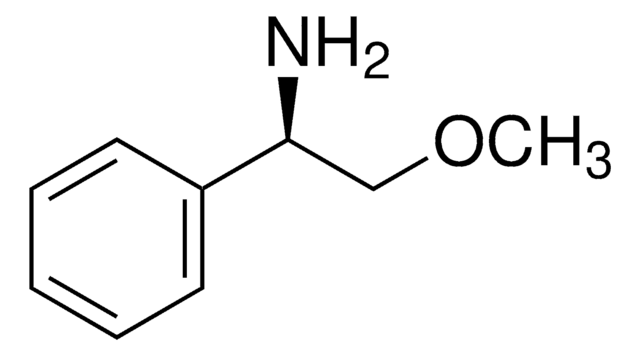
In a consecutive study (Kusaga et al., 2002), those of the children suffering with ADHD were treated with methylphenidate, also known as Ritalin. Patients whose symptoms improved in response to treatment with methylphenidate had a significantly higher PEA level than patients who did not experience such an improvement in their condition (Kusaga et al., 2002). Phenethylamines (plural), or substituted phenethylamines as they are known, are made up of the same chemical structure as phenethylamine, but by making slight changes to the structure it is possible to create new drugs with significantly different effects. PEA is a binding agent for the TAAR1 receptor, which modifies the monoamine transporter function. It also causes the reduction of the reuptake process of serotonin, dopamine, and norepinephrine.
Combining Phenylethylamine With Other Nootropics Or Supplements
It was looking more and more like α-ET was an indolealkylamine counterpart of MDA. As already alluded to,74 synthetic cathinones don’t represent a pharmacologically homo-geneous group of agents. Depending upon terminal amine and aryl substituents, stereochemistry, and the nature of the α side chain, these agents can act as releasing agents or re-uptake inhibitors at DAT, NET, and/or SERT.
Substituted Derivatives
There are both natural food sources and synthetic supplements available. It was first synthesized in 1894 by Romanian chemist Lazăr Edeleanu, but its presence in the human brain wasn’t confirmed until the 1960s. Since then, it’s been a subject of fascination for neuroscientists, psychologists, and even chocolate lovers (more on that later!). Following some additional SAR studies on cathinone analogs, relatively little was published on these agents for over a decade. Then, novel cathinone analogs began to appear of the European clandestine market;80 these were termed synthetic cathinones.
The salt form, phenylethylamine HCL, is the most common phenylethylamine supplement, and phenylethylamine powders and tablets are also sold. Phenethylamine’s effect is limited when supplemented orally because it is likely quickly broken down in the body by the enzyme monoamine oxidase 4. Exercise may improve mood and it has been linked to increased brain phenethylamine in limited studies 36, 37.
H5-HT2A receptor binding data for a few representative examples of phenylalkylamines using 3Hketanserin (3HKET),37 3HDOB38 or 125IDOI27 as radioligand. For many years, the tritiated version of the 5-HT2 receptor antagonist ketanserin, 3Hketanserin, introduced by Janssen Pharmaceutica was employed as a radioligand for labeling 5-HT2 receptors; it is still used today. As an aside, probably the two synthetic agents to make the greatest impact on early 5-HT receptor research since the discovery of 5-HT itself (in my opinion), were the 5-HT2 receptor antagonist ketanserin and the 5-HT1A receptor agonist 8-OH DPAT (7). It is a plant flavonoid that is used as a supplement to treat various health conditions.