
This disease, now known as thrombotic thrombocytopenic purpura (TTP), is one of the most extensively studied subtypes of TMA. Primary TMAs mainly include hereditary or acquired forms of TTP and primary atypical hemolytic uremic syndrome (aHUS). Their pathogeneses are well-understood, and their respective diagnosis and treatment are well-developed. Drugs (including chemotherapy), pregnancy, malignant hypertension, autoimmune rheumatic diseases, infection, transplant, and malignancy constitute the secondary TMAs (Figure 1). Example published cases of type I (chemotherapy) and type II (targeted therapy) antineoplastics are presented along with therapeutics explored and outcomes where available. The overactivation or deregulation of complement system is not proven in DITMA patients and, consequently, indications for eculizumab treatment are limited.
- The most common clinical presentation is a subacute or chronic TMA that becomes apparent weeks after HSCT.
- This type of TMA primarily affects the small blood vessels of the kidneys.
- A city with a population of 1 million will average only about 11 cases in a given year.
- Few case reports document successful use of rituximab 11,36,37 and eculizumab 35,38,39.
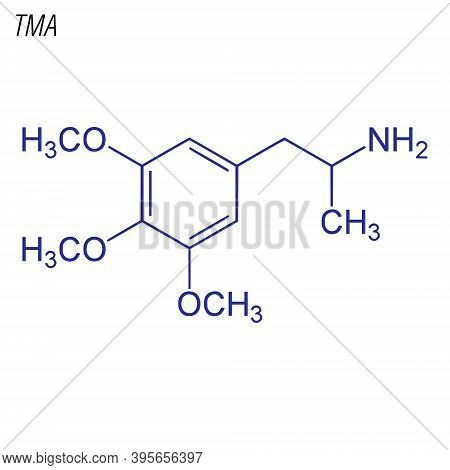
The values for relative human potencies of TMA-4, -5, and -6 compared to that of mescaline were evaluated to be 4, 10, and 10, respectively. The isomers, except TMA-3, have both stimulant and psychedelic effects, and their qualitative effects on mood alteration and sensory enhancement are similar to those of mescaline. Although their physical health risks and toxic doses in humans have never been clarified, mental health risks are assumed to be similar to those of other hallucinogens. TMA-2, the geometric isomer of TMA-1, was first synthesized in 1933, and its psychotomimetic properties were first reported by Shulgin in 1964.
For adult patients, the diagnosis was based on the criteria proposed by Cho et al. 6. Starting in 2023, the updated criteria by Schoettler et al. 7 were applied for newly diagnosed TA-TMA cases in both pediatric and adult patients. Furthermore, patients previously diagnosed with TA-TMA using the criteria from Jodele and Cho were reevaluated according to the recent revised criteria.
- The TMAs are substituted amphetamines, however, their action does not resemble that of the unsubstituted compound amphetamine, which is a stimulant and not a psychedelic.
- Cancer treatment included debulking surgery followed by adjuvant carboplatin/paclitaxel and then paclitaxel/bevacizumab.
- ATTP is the common form of TTP in adults and occurs secondary to anti‐ADAMTS13 autoantibodies.
- Rituximab, a monoclonal antibody directed against the B‐lymphocyte CD20 antigen, is used in aTTP as an additional first line treatment, in refractory cases of TTP and/or to reduce the likelihood of relapse once in remission.
- Caution must be employed in generalizing response given the possibility of publication bias with preferential reporting of successful case studies.
Cancer-associated Thrombotic Microangiopathies
They are lined with a slippery coating of cells known as endothelial cells (see Figure 1). The diagnostic and prognostic criteria for TA-TMA remains an open issue. In this retrospective study, we evaluated the safety and efficacy of narsoplimab administered under a compassionate use program in a cohort of pediatric and adult patients with high-risk TA-TMA.
Asymptomatic patients with no signs of hemolysis and normal platelet counts may undergo watchful waiting without plasma infusions (15). Immunosuppressive therapy is not useful in cTTP, as there are no autoantibodies to be targeted. The establishment of a nationwide registry in Germany with an attached biobank might help reveal yet unknown genetic predispositions. The mechanism of gemcitabine-related TMA appears to be dose-related with a reported incidence of 1%.
Complement Inhibition
In this report, we use the term “DITMA” to describe all patients, including patients previously described as drug-induced HUS or TTP. In addition to these now well-defined entities, there are a number of diseases that are less clearly classified. These diseases are referred to as secondary thrombotic microangiopathies or secondary HUS. The common consequences are endothelial cell damage with consecutive thrombus formation and complement activation (16). Triggers are tumors, stem cell transplantation, use of medications, pregnancy, autoimmune diseases, kidney disease, or malignant hypertension (etable 2).
Drug-induced Thrombotic Microangiopathy: An Updated Review Of Causative Drugs, Pathophysiology, And Management
Some Authors (Cavero et al., 2017; Caravaca-Fontan and Praga, 2019) suggest to use the anti-complement therapy only in case of lack of improvement of hematological parameters and/or renal function recovery after causative drug discontinuation. This approach lacks supporting evidence, which is currently based on case reports and case series. Other Authors (Duineveld and Wetzels, 2019)do not suggest the use of eculizumab in secondary DITMA cases, relying on data indicating that renal outcome was not significantly altered by the use of the complement inhibitor. Moreover (Grall et al., 2021), reported a significantly better kidney response (83% vs. 64% of complete/partial recovery) and kidney outcome (eGFR 45 vs. 33 ml/min/1.73) in 13 patients with gemcitabine-induced TMA treated with anti-complement therapy. However, conflicting results were reported by previous articles gemcitabine-induced TMA treated with C5-inhibitor (Al Ustwani et al., 2014; Daviet et al., 2019).
PLG variants can decrease proteolytic activity of plasmin and trigger TMA. Complement blockers may be helpful in select cases, and trials in this disease space are ongoing. The alternative pathway is constitutively active due to spontaneous hydrolysis of small amounts of C3, the so-called C3 tick-over. To score a point, the “offense” (two proteases, Factors B and D, and a stabilizing protein, Properdin P) will engage with C3 basketball to create the powerful alternative pathway C3 convertase. Once C3 convertase is formed, a series of slam dunks via an efficient amplification loop generates large amounts of C3b on the surface of the pathogen. This will opsonize the hapless pathogen and activate the terminal pathway with its lethal weapon, membrane attack complex (MAC) C5b-9.
Podcast: Thrombotic Microangiopathy (TMA) – With Dr Manish Saha
Thrombotic microangiopathy is defined by the triad of Coombs-negative hemolytic anemia with evidence of schistocytes in the blood, thrombocytopenia (microangiopathic hemolytic anemia), and ischemic end-organ damage. Depending on the vascular systems involved, renal failure, neurological symptoms, cardiac complications, respiratory failure, visual disturbances, pancreatitis, intestinal ischemia, and (less commonly) skin changes may occur (1, 2). Mortality is high if untreated, with reports published prior to the advent of effective therapy of 72–94% (3, 4). Recognizing thrombotic microangiopathy and initiating plasmapheresis within 4 to 8 hours is essential for successful therapy (recommendation grade 1 B) (5). Plasmapheresis helps to reduce mortality of thrombotic thrombocytopenic purpura (TTP) to approximately 10–20% (3, e1). A diagnostic and therapeutic algorithm, as well as a classification of thrombotic microangiopathies, are shown in Figure 1, Table 1, eTable 2, and eTable 3, and the relevant differential diagnoses, in eTable 1.
Treatment And Prognosis

Unlike other paraneoplastic syndromes, there is a high number of cases of TiTMA that occur with cancer recurrence, probably due to changes in tumor cells properties as a consequence of chemotherapy 141. The difficulty of histologic diagnosis led to the development of non-invasive clinical criteria for HSCT-TMA diagnosis. The first ones were presented by the Bone Marrow Transplant Clinical Trials Network (BMT-CTN) 123 in 2005, followed by International Working Group (IWG) 124 in 2007. More recently, Jodele et al. 126 presented wider criteria that included kidney and/or neurological dysfunction.
Epidemiology Of Cancer-Associated TMA
This issue becomes even more important in DITMA, considering that TMA renal-limited forms are mainly caused by drugs (28.5%) (Saba et al., 2018). Moreover, if recognized, these forms showed to benefit more from the withdrawal of the causative drug, with a lower relapse risk and better survival rates than the systemic DITMA (Izzedine and Perazella, 2015). These considerations emphasize the importance of considering separately kidney-limited and systemic DITMA forms. In 2017, the KDIGO controversies conference published recommendations for best treatment strategies in aHUS.
Role Of Calcineurin Inhibitors

Both immune-mediated and cytotoxic injury have been proposed as underlying pathophysiology 12, 28. Cytotoxic damage is the assumed mechanism in the few described cases of doxorubicin- and docetaxel-related TMA 5, 6, 29. A 57-year-old woman admitted with hypertensive urgency, progressive decline of renal function, and MAHA. She was diagnosed with pancreatic cancer 30 months prior to admission and since then treated with gemcitabine and Nab-paclitaxel.
These data provide the best current summary of drugs documented to cause thrombotic microangiopathy. These data, including the analyses of all 387 articles reporting patients with suspected DITMA,(3) are available on our website (/platelets). First of all, a case report incriminates hydroxychloroquine, a synthetic derivative of quinine used for rheumatoid arthritis and systemic lupus erythematosus, as a possible cause of thrombotic thrombocytopenia purpura (TTP) (82). Disease progression was detrimental and patient died in spite of drug withdrawal and plasma exchange. Moreover, for the first time an antiretroviral treatment of human immunodeficiency virus consisting of tenofovir/emtricitabine was found to have a causality relationship with immune TTP (83). After the cessation of the drug and the initiation of corticosteroids and azathioprine the patient recovered.

In agreement with others we found that TPE/plasma infusion was not effective in patients with chemotherapy-induced TMA 12, 13, 14, 15, 16, 17, 18. Thrombotic microangiopathy (TMA) encompasses a group of disorders presenting with microangiopathic hemolytic anemia (MAHA), thrombocytopenia, and ischemic organ damage, most frequently of the kidneys and the central nervous system 1, 2. In many of the more atypical TTP/HUS disease patterns the optimal treatment has not yet been standardized.
Complement-mediated HUS

A recent review analyzed data from unpublished cases, published case reports, clinical trials, and the Global aHUS Registry regarding patient outcomes after eculizumab discontinuation 31. Of the case reports, a subsequent TMA manifestation was observed in 31% (16/52) of patients after eculizumab discontinuation. Data from five clinical trials documented a relapse in 20% (12/61) of patients after cessation of therapy with eculizumab with a median follow-up of 24 weeks. Of note, relapse risk was independent of an identified genetic mutation, high-risk polymorphism, or autoantibody status. Data from the Global aHUS Registry found a relapse in 16% (12/76) of patients. In the cases described above, disease recurrence was unpredictable in both timing and severity 31.