Researchers from threat intelligence firm Cyble noticed the leak of the payment-card data during a “routine monitoring of cybercrime and Dark Web marketplaces,” researchers said in a post published over the weekend. The cards were published on an underground card-selling market, AllWorld.Cards, and stolen between 2018 and 2019, according to info posted on the forum. Interestingly, a major part of the carding ecosystem revolves around education.
Reporting Carding Incidents
These black markets allow buyers and sellers to make anonymous transactions using a combination of encrypted messages, aliases, and cryptocurrency. Hundreds of millions of payment card details have been stolen from online retailers, banks and payment companies before being sold on online marketplaces such as UniCC. This stolen information is exploited by threat actors for financial gain through unauthorized charges, account takeover, and identity theft.
Unlike online fraud, this type of theft is harder to detect because the transaction appears as a regular swipe. These details often land there after data breaches, phishing attacks, or malware infections that steal information from unsuspecting users. If your credit card number appears on the dark web, it means someone has likely leaked or stolen it—and now it could be traded, sold, or used without you even knowing about it. When a hacker writes up new malware, steals a database, or phishes someone for their credit card number, the next step is often toward dark net marketplaces.
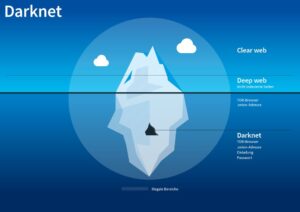
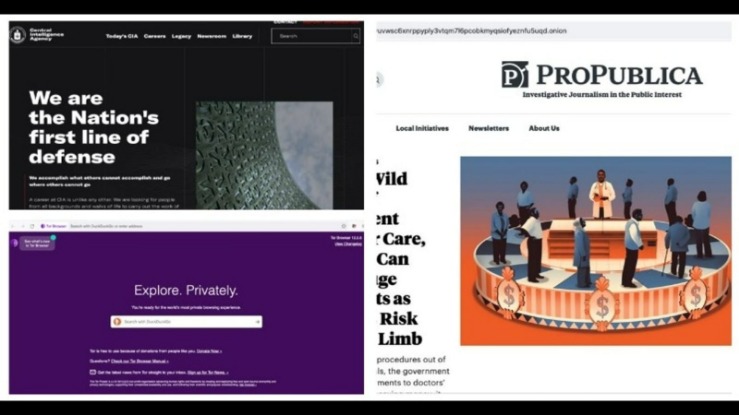
Next, we will explore the payment methods used on the Dark Web and the measures individuals can take to protect themselves during transactions. Next, we will explore how to navigate the Dark Web and find reliable vendors to minimize these risks and protect against potential pitfalls. Unlike the surface web we use regularly, which comprises websites accessible through standard web browsers, the Dark Web is a collection of hidden websites that can only be reached by using special software. These websites have domains ending with “.onion” and cannot be accessed through traditional means. Our platform can detect any suspicious mentions about organizations, or stolen payment information to give as much time as possible to prepare for data breaches.
Abacus Market

But when detectives finally caught up with the criminal, they discovered over 20 stolen credit cards on him — all bought off the Dark Web. An economy with a high income, therefore, has a higher chance of having people steal from their credit cards. China has historically been the source of large-scale hacking operations, according to NordVPN, whose political stance is hostile to western nations. Cybercriminals are likely more prevalent in countries that are struggling financially.
Top 7 Dark Web Marketplaces
Credit card fraud on the dark web operates quite differently from what many people imagine. Infosec Insider content is written by a trusted community of Threatpost cybersecurity subject matter experts. Each contribution has a goal of bringing a unique voice to important cybersecurity topics.
Cybersecurity Info You Can’t Live Without
For fledgling criminals who don’t know how to use stolen credit cards, there are plenty of free and paid tutorials for carding on the dark web. If you can, use an online wallet like Apple Pay or Google Pay, says Pascal Busnel, a director with ACA Group, a provider of risk, compliance and cyber solutions. This type of payment uses tokenization, which replaces your sensitive card data — like the expiration date and card verification value (CVV) — with a unique, random token. If the company you’re buying from doesn’t have your sensitive card information, neither will hackers that hit that merchant with a data breach.
Which Wallet Best For Darknet Market
The ease with which any item, from stolen physical things such as credit cards to huge dumps of personal information, can be found and bought online should give everyone pause. In particular, companies involved in handling large amounts of consumer data should be aware of just how easily that data can be monetised — and abused — online. Keeping your credit card information safe can prevent it from being published on the dark web and used for malicious purposes. If you don’t take the proper steps to secure your credit card information, you place yourself at risk of becoming a victim of identity theft which is not easy or quick to recover from. Conducting transactions online while connected to an unsecured WiFi network places your financial data at risk of being stolen due to MITM attacks. It’s best to avoid conducting transactions while connected to an unsecured network.
We Talked To A Teenaged Credit Card Scammer About Dark Web Fraud
Card data is a hot commodity on the dark web, with credit card details and cloned cards being sold to cybercriminals. These stolen cards can be used for financial gain through unauthorized charges, account takeover, and identity theft. There are some dark web monitoring services that include financial checks, but these are mostly subscription based.
- A new report has revealed that the B1ack Stash crime forum has just given away more than a million stolen credit cards for free.
- More bogus credit card data, personal information, and documents were sold in 2021 compared to 2020, while products, like hacked cryptocurrency accounts and web services such as Uber, are more available.
- It’s a fairly simple process of reaching out to the major credit bureaus, and it won’t cost you any money or negatively impact your credit score.
- It is crucial to report the theft to the bank or credit card company immediately.
Buyers must navigate through a labyrinth of fraudulent sellers and law enforcement operations targeting illegal marketplaces. It is crucial to exercise caution and take protective measures to safeguard personal information. Unlike the traditional web we use every day, with search engines indexing websites for easy discovery, the Dark Web operates on anonymous networks such as Tor. This anonymity allows criminals to conduct illegal activities without fear of being traced by law enforcement agencies.
AllWorld.Cards appears to be a relatively new player to the market for selling stolen credit-card data on the Dark Web, according to Cyble. “Our analysis suggests that this market has been around since May 2021 and is available on a Tor channel as well,” according to the post. Generally, threat actors’ activity is divided into business fields, someone is digging, attacking, and others are selling data or extracting user information and using it to obtain money.
It is crucial for individuals to understand the link between credit cards and the Dark Web and take necessary precautions to protect their financial information. While consumers are typically protected from direct financial losses, dealing with credit card fraud is incredibly disruptive. Carding has long been a prevalent form of online crime—and it remains a serious threat. One such protection is the use of anti-fraud tools, such as F‑Secure Total, our complete online security solution.
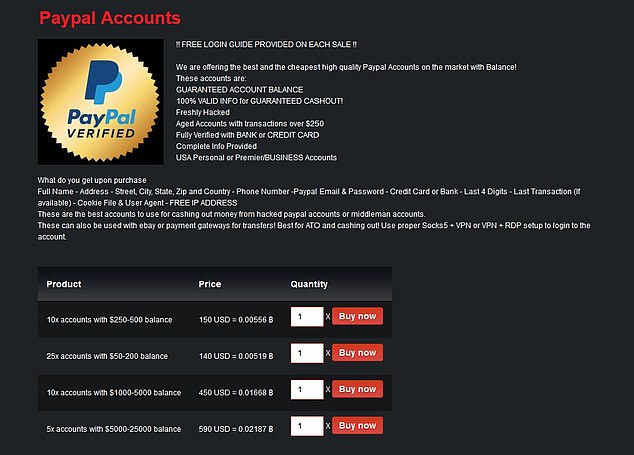
But those tiers don’t have much influence on dark web prices, which are largely governed by account balance. In a similar study earlier this year, we noted an average price of 3.13 cents per dollar in the account. So unlike credit cards, prices for PayPal accounts and transfers have gone up during the pandemic by 293 percent. Active for a decade since 2014, it is a widely used credit card shop used to source stolen credit card information such as dumps, CVVs, Wholesale Accounts.
Financial Crime Risks
It’s true, Dark Web market data might not provide most people with useful insights. Software such as LastPass or Keepass can make it easy to use extra-strength passwords for all your accounts. (All you need is to remember a master password.) Better yet, many are free. Not all websites on the dark web are illegal; however, many sites that deal with credit card information and similar goods operate outside the law. People generally think about a credit freeze as something to do if their information has been stolen, but Myroup says doing it before you have a problem can be a preventative measure.