The Silk Road era was when I began tapping into online communities to share information about drug effects, safer use and wound care, as well as deliver harm reduction supplies to people in parts of the country where they didn’t have access to them. This kind of peer-to-peer information exchange has always been a vital part of drug-user communities, but doing it online allowed for a lot more information to be exchanged between a lot more people. In an effort to combat the flurry of evidence against him, Ulbricht’s defense team argued that Ross was not the sole operator of Silk Road, that he handed control of the site over to others. They also argued the evidence against Ulbricht was circumstantial, and that the government had violated his Fourth Amendment rights by conducting warrantless searches of his laptop and other devices.
Countries Where VPN Is Illegal: A Comprehensive Guide
“What we are doing,” DPR wrote to his followers, “will have rippling effects for generations to come.” In June 2013 the site reached nearly 1 million registered accounts. Green obliged, even though it exposed him while allowing DPR to remain in the shadows. Like Force, Green felt like he’d established quite a bond with DPR—partners in a secret world. No matter how close Green or Force or anyone else got to DPR, no one had any idea who he was. The first time they’d hung out, they did psychedelics, something called AMT.
Legal Issues Surrounding The Silk Road
Bitcoin offered Silk Road users an added layer of anonymity, as transactions could be conducted without revealing personal information or linking to traditional financial institutions. This allowed buyers and sellers on the platform to trade illicit goods and services with a lower risk of being traced by law enforcement. Law enforcement agencies worldwide have continued their efforts to combat dark web marketplaces, with several successful operations leading to the closure of major platforms. Notable examples include the takedowns of AlphaBay and Hansa in 2017, which were two of the largest dark web markets at the time. Following Ulbricht’s arrest, the Silk Road was quickly taken down by authorities, cutting off access to its vast array of illegal products and services. This high-profile takedown sent a clear message that the dark web was not beyond the reach of law enforcement, striking fear into the hearts of other dark web operators.
Can VPN Make Internet Faster: Debunking Myths And Exploring Solutions
Tor hosts a New Yorker magazine whistle-blower site, Facebook has established a special Web address for Tor users, and British rocker Aphex Twin recently released new music on it. Ulbricht’s trial was a tragic spectacle, from the squandered brilliance of the young defendant to the haggard faces of his parents sitting behind him and the spectacular betrayal by his good friend Richard Bates. When defense lawyer Josh Dratel accused the eBay programmer of cutting a deal to testify against Ulbricht in order to avoid criminal charges, Bates, fighting back tears, conceded he had done just that.
Accessibility
“I went through a lot over the year in my personal relationships,” he wrote in a journal on his computer, a kind of self-assessment of life goals. “I had left my promising career as a scientist to be an investment adviser and entrepreneur and came up empty-handed.” Ross felt ashamed, but not long afterward Palmertree got a job in Dallas, leaving Good Wagon to Ross. Ulbricht expressed remorse for his actions and said that the site had meant to enact his libertarian views. Although multiple copycat sites (such as Silk Road 2.0, which sprung up in November 2013) attempted to replace the original, they were quickly shut down by law enforcement. Many sites continue to use the name, though they have no connection to the original. Anonymous browsing with a VPN or other encryption services will help hide your online activity from your government, ISP, or other prying eyes.
Volatility Due To Scams, Cyberattacks, And Law Enforcement Threats
The Silk Road was swiftly shut down, but its demise led to new dark web marketplaces, fostering a hotbed of illicit trading, identity theft, and account hacking. Read on to learn about the Silk Road, its successors, and how LifeLock Standard can help you find out if your information is on the dark web. The BBC reported that in the two and a half years it was operational, users sold more than $200 million in drugs through the site, which also offered fake IDs and hacking tools. “It’s kinda earned the reputation as the eBay of drugs,” cybersecurity researcher Brian Krebs reportedly told NPR in 2013, following Ulbricht’s arrest.
- He was also inspired by his favorite book, Alongside Night — about a society built upon an open marketplace — to create what would become the Silk Road anonymous market.
- Silk Road did at least pay lip service toward limiting the sale of goods that facilitate cybercrime.
- The creator of a dark web market that sold illegal drugs, stolen passports and hacking equipment using Bitcoin has been pardoned by President Donald Trump.
- Despite its “success”, Silk Road truly had a deep, negative impact on society.
- AlphaBay was one of the first darknet markets to accept cryptocurrency other than Bitcoin, such as Monero and Ethereum.
- He paid $1,000 a month to rent a bedroom in a three-person San Francisco flat.
Early Days
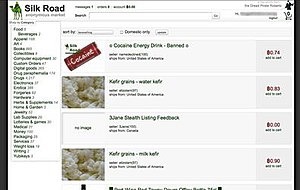
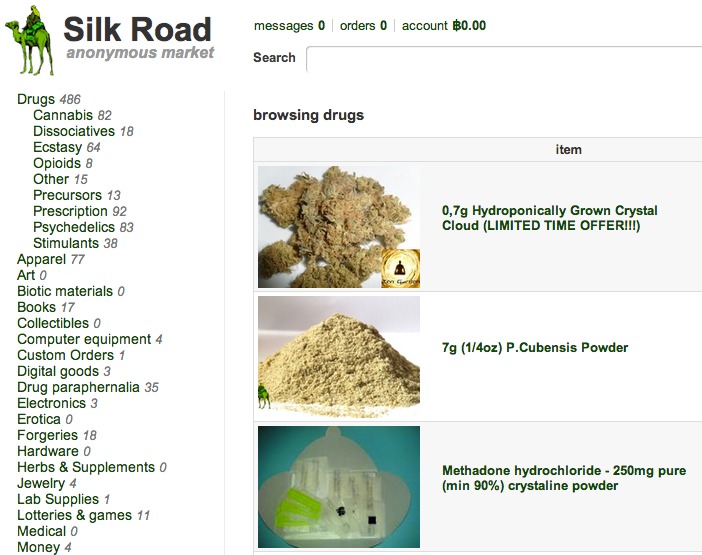
Rather than a broad market place, today’s replacement markets are more likely to specialize in specific goods or a unique transaction system. The Silk Road website’s name was based on the historical network of trade routes between Asia, the Middle East, East Africa, and Europe. And although the Silk Road site hasn’t operated for years, it laid the foundation for other darknet markets to follow. Today, Silk Road is an important case study when analyzing the growth of other dark web markets. The Silk Road website sold mainly drugs (illegal narcotics, prescription medication), illicit goods (forged documents, pirated media), and some legitimate goods (books, apparel, services).
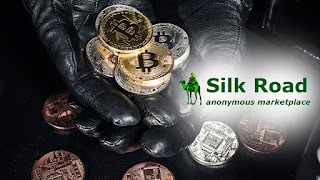
Founded by Ross Ulbricht, the platform operated on the Tor network, ensuring anonymity for its users. Ulbricht’s motivation behind creating the Silk Road stemmed from a desire to build a free market that operated outside the control of governments and traditional financial systems. The Silk Road on the dark web is often described as one of the most infamous online black markets in history. It operated on the hidden corners of the internet, outside of traditional search engines, and accessible only through encrypted software like Tor. Using the online moniker “Dread Pirate Roberts,” or “DPR,” ULBRICHT controlled and oversaw every aspect of Silk Road, and managed a staff of paid, online administrators and computer programmers who assisted with the day-to-day operation of the site.
What Happened To Silk Road After Ulbricht’s Arrest?
The Rochester Institute of Technology offers a MicroMasters program in cybersecurity that includes a course in computer forensics. One of five graduate-level courses, it promises to teach students court admissibility procedures as well as the technical fundamentals of investigation. Along with his supporters, Lyn Ulbricht will always see her son as more than just the audacious founder of a global drug eBay.
- The Silk Road definition was a reference to the ancient trans-Eurasian trade route, which brought many different cultures and ideas together in a relatively peaceful manner.
- His top moderators that would handle the business of the site day to day.
- Following the trail of that online handle, investigators found him looking to recruit an IT and Bitcoin specialist, and referring people to a Gmail address that included the name Ross Ulbricht.
- Since the emergence of new dark web markets, scams and shutdowns have always been an issue, resulting in massive financial losses throughout the years.
- How uncool it was when Ross had a sleepover and some bad kids stole a year’s worth of change he’d saved.
- After a buyer bought something, their payment was held in escrow to help guarantee that shoppers would receive the agreed-upon goods or services.
It would take two years for Ulbricht’s second-in-command—an elusive figure known as Variety Jones—to be tracked down and arrested in Thailand. Today, a decade after the Silk Road’s demise, Clark has been sentenced to join his former boss in federal prison. The Silk Road, launched in 2011 and dismantled by the FBI in 2013, was a groundbreaking online black market that operated on the dark web.
At Penn State, he evolved into a hardcore libertarian, immersing himself in that political philosophy, one which advocates individualism and minimal state involvement in people’s lives. He also became a fan and follower of libertarian economist Ludwig von Mises, a staunch opponent of government interference in the economy. Despite Ulbricht’s efforts to conceal his identity and evade authorities, his empire ultimately came crashing down due to his own mistakes, coupled with the infiltration of Silk Road by Department of Homeland Security and DEA agents.
The Silk Road came to its demise in 2013 after the FBI learned about its existence. Although the federal agents admitted that the use of Tor and Bitcoin to obscure addresses were significant obstacles that they encountered, they were still able to crack down on the underground drug market. Soon, Silk Road attracted buyers and sellers from around the world to his illegal drug marketplace. The final nail in the coffin was when Ulbricht used the same online account to talk about the Silk Road website and to post a job listing with his email address. That oversight exposed him, and a tax agent identified him in 2011, which led to the seizure of his laptop and Silk Road crypto as well as his eventual arrest and subsequent life sentence.
After a buyer bought something, their payment was held in escrow to help guarantee that shoppers would receive the agreed-upon goods or services.