Dark web websites are pages that exist on a part of the internet that isn’t indexed by traditional search engines like Google. Also known as deep web sites, these pages typically have URLs ending in .onion and are only accessible through special software like the Tor Browser. While many private search engines don’t log your IP address themselves, your Internet Service Provider (ISP) can still see which websites (including the search engine site) you visit. A VPN (Virtual Private Network) encrypts your entire internet connection and masks your IP address from your ISP and the websites you visit. Using a VPN adds an extra layer of privacy and security, especially if you are concerned about surveillance or wish to bypass geographic restrictions.
Subscribe To Our Newsletter
If you’re looking for a trusted Tor search engine with a long-standing reputation, Torch remains a solid choice. Strict internet censorship is enforced by some governments and nations, preventing access to international news sources. One of the best examples of a news source that is unavailable in some repressive nations is the BBC website.
A Quick Guide On How To Use A VPN With Tor
The encryption technology routes users’ data through a large number of intermediate servers, which protects the users’ identity and guarantees anonymity. Founded by security researcher Juha Nurmi, Ahmia is essentially a list of “hidden” sites that do want to be found. Onion sites are “crawled” and added to the list provided their “robots.txt” file permits it, and if it is not on their blacklist of sites with abuse material.
Privacy And Legal Considerations
- It’s also noted for its commitment to sustainability, running its servers from a green data center.
- For experienced users who don’t mind getting their hands dirty, Torch is a go-to, but I’d never recommend it to beginners.
- Torch is one of the oldest dark web search engines, and it’s generally considered one of the safest.
- Because of its anonymity, the dark web is filled with illegal services and is used by numerous criminal groups, including ransomware gangs.
- Although it’s not a search engine, it offers a categorized directory with indexed links to .onion web pages.
Freenet’s decentralized file-sharing allowed users to share content anonymously, but navigation relied on manual link sharing via IRC channels or private forums. No search engines existed, and access was limited to tech-savvy communities, setting the stage for later dark web tools. Whether on the clearnet or the dark web, using search engines and other browsing tools can lead to data leaks that expose your search history and other personal information. That’s why it’s important to use online security tools that protect your personal data.

🛡️ How To Access Dark Web Search Engines Safely (Tor + VPN Guide)
Data sent through the dark web is encrypted and relayed through multiple nodes hosted by a global network of volunteers. This setup ensures users and website operators are able to remain anonymous. Before you download Tor, make sure you’re taking precautions to keep yourself safe at all times. Using a VPN with Tor provides an extra layer of protection when accessing the dark web.
- Facebook joined the dark web way back in 2014, and it remains a viable way to access the website in China and other countries that block it.
- Torch stands out for its commitment to user privacy, as it doesn’t store search history or collect any user data, ensuring higher anonymity.
- Another cool features it you can sort results by age (past day, week, month, or year), and lots more.
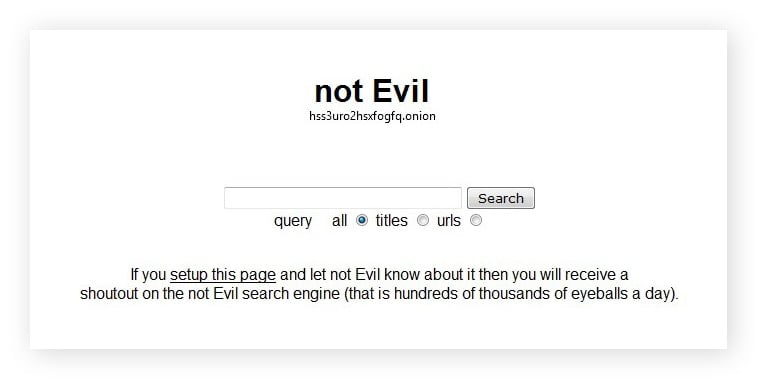
- By 2028, NotEvil’s large index (~32 million sites) could extend to I2P and emerging darknets, creating a unified search platform for dark web ecosystems.
- Risks include data theft via fake sites, legal exposure from accidental access to prohibited material, and deanonymization if JavaScript is enabled.
Is It Illegal To Visit And Use Dark Websites?
A dark web search engine is an online tool designed to find websites on the unindexed part of the internet known as the dark web. Dark web websites are not listed on regular search engines, but dark web search engines can help you find them. ProtonMail offers a .onion version of its encrypted email service, giving users end-to-end privacy with access through Tor.
✅Final Thoughts – Stick To Known, Safe Directories
They complement established ones like NotEvil, offering fresh features for niche research. Tor updates, like V3 to V4 onion transitions, improve security but may deprecate older .onion addresses, forcing engines like Haystak to reindex and update support. This enhances privacy against attacks but causes temporary downtime or broken links. Verify by cross-checking links with directories like tor.taxi or r/onions, checking site uptime via Ahmia’s stats, and avoiding JavaScript-enabled pages. It’s beginner-friendly with simple keyword searches and no registration required, making it easier to explore privacy tools or forums without overwhelming clutter.
Searching “AI ethics onion forum” returned three highly relevant .onion sites with active discussions, no spam or dead links. The results were spot-on, loading in under a second despite Tor’s latency. For pros with budgets and security know-how, Haystak is a powerhouse, and its .onion link is a must-bookmark. Its minimalist interface—unchanged in over a decade—prioritizes raw functionality, delivering a firehose of results for users willing to sift through clutter. Torch supports both V2 and V3 .onion addresses, ensuring compatibility with older and newer sites. Avast SecureLine VPN hides your IP, secures your Wi-Fi connection, and encrypts your data to help protect the information you share and view online.
The hidden web can expose you to malicious sites, so preparing your connection is essential. These search engines catalog .onion domains, which are not easily accessible from regular web browsers. These top 10 dark web search engines are important for research, evidence collection, finding hidden resources, intelligence, and various other resources that are not easily accessible. If one tries to visit the dark web with a regular browser, there will be no web pages to visit.
Yes, but you need to be cautious because there are many malicious sites on the dark web. The best way to do that is to get the link from legitimate sources, like The Hidden Wiki. What’s more, you should always use a VPN (like ExpressVPN) with Tor to protect yourself from IP leaks. I also recommend using an antivirus (like Norton 360) to protect your device from malware infections. One of its best features is Anonymous View, which is a free proxy that masks your identity while you’re browsing sites. It also always uses a secure HTTPS connection, so you’re safer on public Wi-Fi networks too.
Emerging as the most sophisticated and reliable dark web search engine in 2025, Torgol has revolutionized how users navigate the hidden corners of the internet. By carefully following these instructions and maintaining responsible browsing practices, safely exploring the dark web can be straightforward and secure. With these precautions in place, you’re ready to start your journey into the world of .onion sites. Navigating .onion sites requires the Tor Browser, specifically designed for privacy and accessing the dark web. Follow these straightforward steps to set up Tor and begin searching safely.
DuckDuckGo is primarily known for its strong privacy stance (not tracking searches). Users may encounter illegal or highly disturbing content, scam websites, phishing attempts, and malware. LibreY is noted for operating without JavaScript, enhancing security.
Exploring the dark web can provide valuable insights and essential privacy, but it requires careful, informed navigation. By selecting trusted search engines, crafting precise search queries, and diligently verifying sites, you can greatly enhance your safety and effectiveness. Remember, good digital habits—such as maintaining anonymity, avoiding risky behavior, and staying vigilant—form the foundation of secure dark web exploration. Effectively finding content on the dark web requires slightly different search strategies compared to standard search engines. Here’s practical advice for building targeted search queries and safely navigating .onion websites. To access .onion websites securely, you’ll need the Tor Browser, a privacy-focused tool designed specifically for anonymous browsing.
Submissions to these boards should include detailed descriptions of research goals, methodologies, data handling plans, and risk mitigation strategies. Accountability to these bodies promotes responsible conduct and public trust. Engaging with ethical frameworks such as “do no harm” and considering potential consequences throughout the research lifecycle helps mitigate risks. Consulting with ethics experts or community representatives may provide valuable perspectives on sensitive issues.
In 2025, I tested OnionLand for a dark web news aggregator for a media trends piece. Searching “dark web news” triggered autocomplete suggestions like “onion news blog,” leading to a solid .onion site with daily updates on Tor-based journalism. OnionLand’s fast performance, user-friendly design, and growing index (~50,000 sites) have earned it a following, but its lack of content filtering demands vigilance. Its smaller index (~5,000 sites) is a deliberate choice, focusing on quality and active .onion sites rather than casting a wide net like Torch. DeepSearch’s lightweight design ensures fast performance on Tor, and its open-source codebase fosters trust through community audits.