Multi-Factor Authentication (MFA) is an extra layer of security you can enable on your accounts. MFA protects you in the event that someone gains access to your login credentials since it requires a one or more methods of authentication before they’re able to successfully log in. The dark web is largely unregulated, which makes it easy for a lot of illegal online activity to go unchecked. Many sites on the dark web are secret ploys for different types of cyberattacks like malware, ransomware, or phishing exploits to obtain your information for fraudulent activity or sell.
Best Practices For Secure Use
Some people use the Dark Web for legitimate reasons, but prefer to remain anonymous. There are many clear, deep, and dark web sites, forums and marketplaces where threat actors can access victims’ online accounts. In addition, encrypted messaging platforms like Telegram and QQ provide a safe haven for communications about malicious acts and are, therefore, popular among threat actors. The Deep Web houses web pages that are designed for restricted use and are protected by registration portals, paywalls, etc. These Deep Web sites are not indexed by search engines, making them impossible to find via traditional search engines like Google, Bing, etc.
- Place a credit freeze or lock on your credit reports, monitor your credit reports and financial accounts closely for any unauthorized activity, and consider enrolling in a credit monitoring service.
- Before we understand what the dark web is, let’s take a look back at our trusty World Wide Web.
- But a single set is generally enough if it’s just about one or a few “informational” visits.
- The dark web’s anonymity draws users who need private communication, want to share sensitive information, or seek access to content censored in certain regions.
- And since we can’t access every dark web onion site to see if our own credentials are up for sale, we have some monitoring tools embedded within NordVPN and 1Password.
- Securing this data prevents it from being compromised and possibly showing up for sale on the dark web.
Most People Access The Deep Web Everyday, But Not The Dark Web
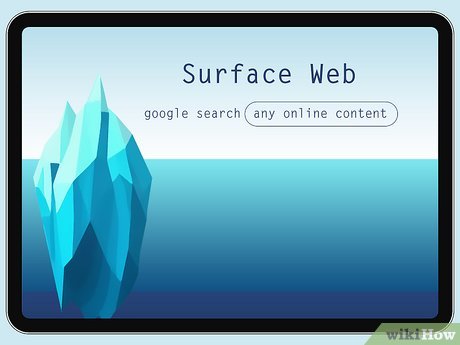
They index new entries and then show them for the relevant search queries made by the end users (us). Unlike the deep web vs dark web that encompass such secrecy or illegality, this surface web is totally safe to be used daily as well as it falls under more familiar laws and regulations. Hence, while the face of the internet remains the surface web, the deep and dark web are the hidden layers of the internet that require caution and understanding to traverse. Perhaps the most notorious of the dark web sectors, it is indeed infamous for hosting illicit content, which contains marketplaces trading everything from drugs and weapons to stolen data.
This makes these sites valuable sources of information if the content is accessible. However, the access restrictions on the Deep Web can make this information more complex and difficult to access. While the dark web offers anonymity and access to websites that are not inherently illegal in nature, it also hosts illicit sites for restricted materials and enables censorship-resistant browsing. On the other hand, the dark web’s main application is to provide anonymity to website owners and users.
It is also worth mentioning that it is believed that the NSA hosts a large number of entry and exit nodes into the dark web. On the other hand, the dark web is a small subset of the deep web that uses encryption to stay hidden from the surface web. It operates through a purposely obfuscated system of relay servers. These “entry nodes” keep users anonymous while browsing dark web websites.
Staying Safe On The Deep And Dark Web
United States Military researchers designed the technological infrastructure used to forge the dark web in the 1990s to allow intelligence networks and spies to communicate clandestinely. Also referred to as TOR, or The Onion Router, it utilizes encryption, an application layer inside a protocol communication stack akin to onion layers, hence the name. Since the United States Military constructed it, why would they make the dark web accessible to anyone using the proper tools? The goal was to make Tor available for public domain use eventually. The logic was that messages couldn’t be hidden if nothing was available for them to hide behind.
Access This Chapter
- Effective monitoring for data leakage, credential exposure, or intellectual property misuse requires targeted tools and methodologies depending on whether threats lurk in the deep web or dark web.
- The deep web and dark web have many uses, but they also come with risks.
- Remember, the deep and dark web is encrypted and only accessible in specific ways.
- The Surface Web, which is accessible via search engines like Google and Bing, only makes up a small portion of the Internet.
- Its main goal was to prevent spy communications from being discovered; however, the framework was eventually repurposed and made public.
Endpoint protection solutions that provide strong security against cyber threats. When these two concepts aren’t clearly distinguished, it’s easy to fall into fear, misinformation, or even make serious mistakes when it comes to protecting your data. It would be a site that’s possibly reasonably designed, but they didn’t bother to register it with any of the search engines. The fact also remains that for better or worse, it is simply technically unfeasible to police the internet, all 60 trillion pages of it.
New Bitsight TRACE Security Research
This article clearly explains dark web vs deep web, along with a deep dive into their structure, benefits, threats, use cases, and smart practices for secure monitoring. Dark Web marketplaces offer the sale of stolen data and credentials, firearms, drugs, and illegal services. The Dark Web is also where cybercriminal gangs commonly congregate and plan their attacks.
Dark Web Risks
The Deep Web makes up the majority of the internet, far surpassing the size of the Surface Web, which includes all publicly accessible websites. Otherwise, I’d be in trouble since the Google Docs page on which I’m writing this article is part of the deep web. If it was illegal to access the deep web, it would be illegal to see or do anything online that requires you to sign into your account. This dichotomy reminds us of the necessity for awareness, the potential for misuse, and the vital importance of data security, ethics, and legal frameworks in our increasingly digital lives. As technology continues to evolve, so will the landscape of both the Deep Web and Dark Web, demanding ongoing scrutiny and understanding from all internet users.
Australia And New Zealand Threat Landscape In H1 2025 Is Worrying, But Has A Silver-Lining
It is also used for military/police investigations, political protests and anonymous internet browsing. The deep web resides just beneath the surface web, and it comprises content and services largely inaccessible to regular internet users. Though some content and services on the deep web are obscured through non-indexing, the majority are hidden through paywalling and password protection. Most of the deep web’s content and services are accessible via regular web browsers. Subscription-based applications can be accessed only once the user has paid for them. The paywall prevents search engine crawlers from accessing this content.
The dark web — sometimes called darknet — is a small portion of the internet that is hidden and can be accessed only by using specific software, configurations, or authorization. A repository of sites that can’t be found by traditional search engines, the dark web is as intriguing as it is dangerous. We take a deep dive into what the dark web is and the dangers it poses. She combines her background in digital marketing from DePaul University with a passion for cybersecurity to create content that helps people and businesses stay secure. Her writing covers everything from password best practices to Privileged Access Management (PAM), with a focus on making technical topics easy to understand.
On the Dark Web, folks use tools like the Tor network to mask their IP addresses, making their online actions virtually untraceable. This is the go-to place if you value internet privacy or need to connect to hidden web resources without leaving a digital footprint in your browsing history. However, all those endorsements still don’t seem to have convinced some world leaders about the importance of online anonymity. Former British Prime Minister, David Cameron, was a vocal critic of end-to-end encryption employed by apps like WhatsApp and Snapchat, and actually even tried to rope in the then-U.S.
The encrypted nature of the browser means everyone trying to access the dark web remains anonymous by default. What’s more, URLs on the dark web are starkly different from regular web addresses. The illicit activities of fraudsters are happening across the Gray, Deep, and Dark Web.
In stark contrast, the Dark Web can only be accessed using specialized software like the Tor browser. These aren’t hidden for nefarious reasons, but rather to protect sensitive or personal information. The deep web is part of your everyday web and thus has to comply with all sorts of security standards and be hosted by companies that have at least some interest in maintaining their users’ privacy. When it comes to comparing the dark and deep web, the differences are many. But at this point, you have read the article and learned the basics.
By now, you know what the deep and the dark web have in common and what sets them apart. Understanding how these parts of the internet work helps you protect your security and privacy as you navigate them. Payment for these services is generally made using difficult-to-trace digital currency, such as Bitcoin.